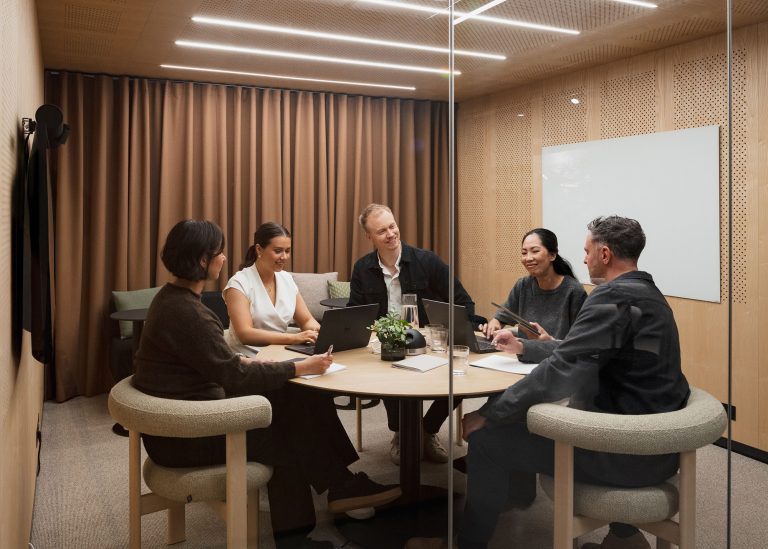
English is the everyday language of a global business at Medikro
Based in Kuopio, Finland, Medikro is building growth in international markets. The company’s strength is rooted in deep technical and medical expertise, but its day-to-day operations are equally defined by the ability to work in a global environment.
In Medikro’s field, internationalisation is a fundamental requirement for doing business. Finland alone is too small a market for a specialist spirometry company, where developing, commercialising, and obtaining regulatory approvals for products requires collaboration across multiple disciplines. Engineering, medical expertise, software development, manufacturing, and quality management all come together to bring a product from concept to completion.
For Medikro, internationalisation is therefore first and foremost a way of working. It is not only about the countries where products are sold or where employees come from. It is about ensuring that the company’s core operations are designed from the outset to scale internationally.
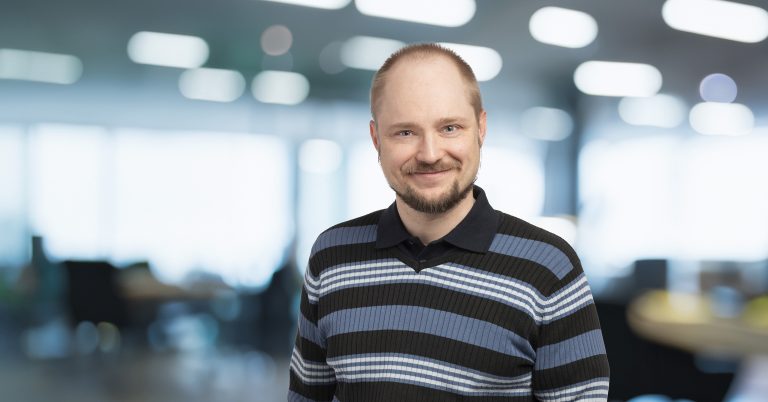
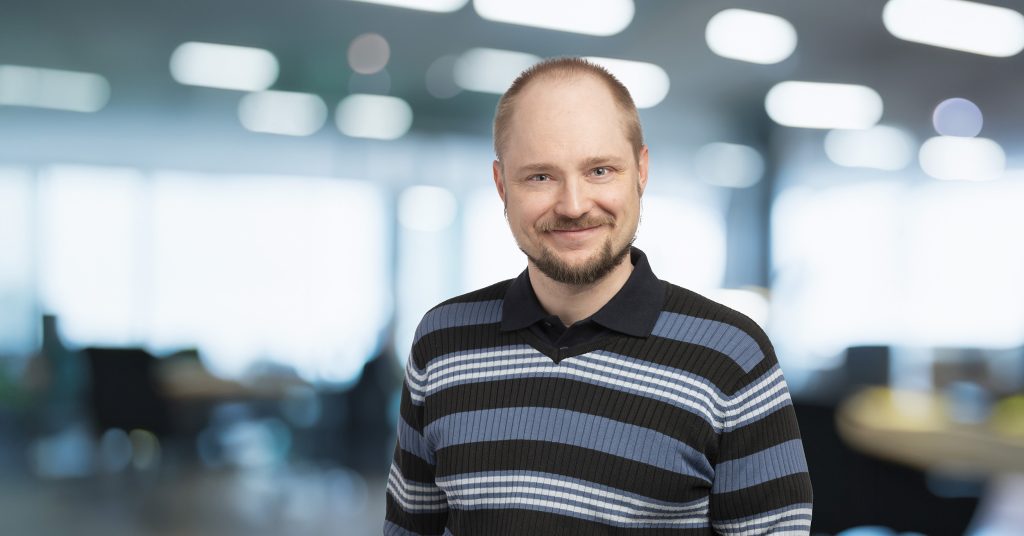
“Because we sell globally, the primary language for documentation and product design is English. This allows the same information to be used across different markets without constant reworking,” says CEO Tuukka Eloranta.
English serves as the company’s everyday working language, particularly when international employees are involved. At the same time, language use remains practical and flexible rather than rigid or bureaucratic.
The use of English also raises expectations for domestic recruitment. In an international medical technology company, English proficiency is not simply a communication skill but an essential part of the job, from manufacturing and administration to product development.
Kuopio is both an advantage and a challenge
Medikro’s location in Kuopio has a direct impact on recruitment, access to talent, and the company’s growth opportunities. The main challenge is talent availability.
“Finland is highly concentrated around the capital region when it comes to both companies and skilled professionals, partly because international accessibility is better there,” Eloranta explains.
At the same time, Kuopio offers significant advantages, especially when it comes to employee retention. Careers at Medikro tend to be long, and staff turnover remains low.
“We’ve been very successful in retaining our people. Keeping employees in the city and within the company is significantly easier here than in the Helsinki metropolitan area,” Eloranta continues.
The size of the city and its operating environment also contribute to smoother everyday life. Decision-making and collaboration are straightforward, and local networks are easily accessible. For a growing company, this can be a meaningful competitive advantage.
Skills matter more than nationality
Medikro’s recruitment philosophy is based on a simple principle: the right person for the right role. In an international environment, this means that expertise, motivation, and the ability to work in an English-speaking, highly regulated setting carry more weight than an applicant’s nationality or native language. International talent is evaluated alongside all other candidates, keeping the focus on what matters most: capability and suitability for the role.
“Our starting point is that we want the best possible people for our positions. Of course, there are factors to consider: Is Finland attractive to the candidate? Is Kuopio an appealing location? Are we an interesting company? Is the role itself something they want to pursue? Recruitment is always a two-way street,” says Eloranta.
Ultimately, success depends on building a workplace where an international way of working is a natural part of everyday operations. At Medikro, internationalisation is seen as a key driver of competitiveness. It strengthens expertise, opens new markets, and enables a company operating from Kuopio to compete globally in health technology.
Medikro’s experience also encourages other organisations to take the first step toward international recruitment. According to Eloranta, the process is often less complicated than many assume.
“The first international hire is probably the hardest. There’s uncertainty about what needs to be done and what materials should be available in English. But once you accept that you’re doing something new and learning along the way, the barrier is actually quite low and the return comes relatively quickly. If you find a motivated and committed person, they will always help move the company forward.”
Text: Creative marketing agency Ida Fram
Photo: Medikro