At PeeÄssä, diversity is seen as part of everyday life
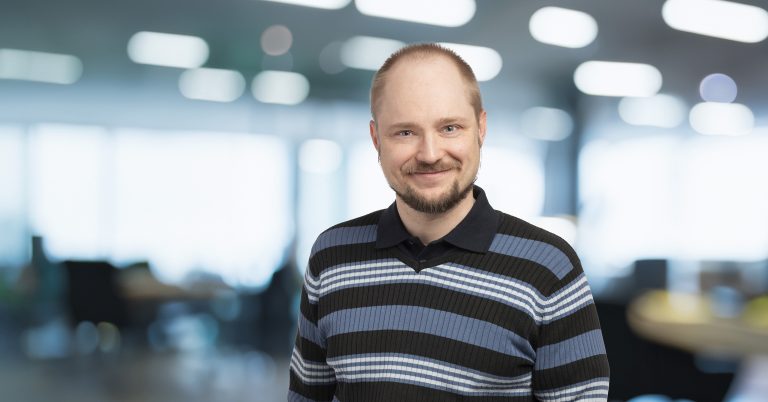
Juha Lyytikäinen, HR Manager at the regional cooperative PeeÄssä, sees diversity as an everyday issue that extends far beyond recruitment or work alone. For him, diversity is about the bigger picture, spanning workplace culture, customer service, and even the region’s ability to attract and retain people.
In PeeÄssä’s operating area, a multicultural workforce brings direct business benefits. When employees in retail and hospitality come from different linguistic and cultural backgrounds, the organisation is better equipped to serve a diverse customer base.
“In our community of more than 2,000 employees, 5.5 per cent are non-Finnish citizens, and we have had employees representing 34 different nationalities. So this is a topic we are very familiar with,” says Lyytikäinen.
PeeÄssä has launched a project to gain a more concrete understanding of diversity within each of its units. One of the most important everyday issues identified is language, which affects both practical work tasks and people’s ability to navigate life in society more broadly.
Today, solutions include digital learning tools and applications that enable employees to develop their skills independently. According to Lyytikäinen, these have proven to be more flexible and effective than traditional language training programmes.
“We often assume that a person doesn’t speak Finnish, when in reality language skills vary enormously. That has made it challenging to tailor training to individual needs. Technology helps a great deal. Employees use live translation tools and other applications, sometimes even more effectively than what we as an employer can provide,” he explains.
Cultural differences also require understanding
According to Lyytikäinen, language-related issues are often easier to address than situations arising from cultural differences.
“It is easy to say that someone didn’t fully understand what was said in Finnish. Cultural differences are more complex because they are connected to how people interact and work together.”
As an example, he mentions situations where well-intentioned offers of help may be interpreted differently than they would be in a Finnish workplace.
“In some cultures, constantly offering help can be perceived as criticism, whereas here it is considered a normal part of working together. For that reason, workplace communities need the ability to recognise and understand different ways of operating.”
Lyytikäinen sees diversity as a positive force. It helps organisations better understand their customers and encourages the continuous development of workplace culture and practices.
A sense of belonging is key to commitment
Lyytikäinen emphasises that when someone moves to Finland for work, learning the job itself is not enough. Employees also need to become part of the social life of the workplace. In practice, this can mean using a buddy system to ensure that a new employee is not left alone.
Daily life outside work also needs to function well, particularly for employees with families.
This includes factors such as employment opportunities for spouses, access to services, and a smooth everyday life. According to Lyytikäinen, the greatest challenge is regional retention: how to ensure that people put down roots and choose to stay in the area. He sees North Savo’s balanced living environment as one of its greatest strengths.
“In a way, we have the benefits of a larger region on a smaller scale. The services are here, but the environment is more peaceful,” he says.
Diversity is a long-term strategic commitment
At PeeÄssä, diversity is viewed broadly. Internationality is only one part of a wider concept that also includes, for example, different levels of work ability.
“Internationality is actually one of the easier dimensions of diversity. There are many other factors that influence working life as well.”
The cooperative also aims to provide opportunities for people with disabilities or reduced work ability and to create roles that suit different situations and needs. Lyytikäinen believes that long-term commitment is the key to success, rather than relying solely on project-based initiatives.
“We have worked with external experts, particularly when developing collaboration models, for example in relation to employing people with intellectual disabilities.”
Ultimately, the goal is to view diversity not only as a response to workforce needs, but as a way of adapting to a changing society and world.
Text: Creative marketing agency Ida Fram