Kood/Sisu opens new pathways for career changers
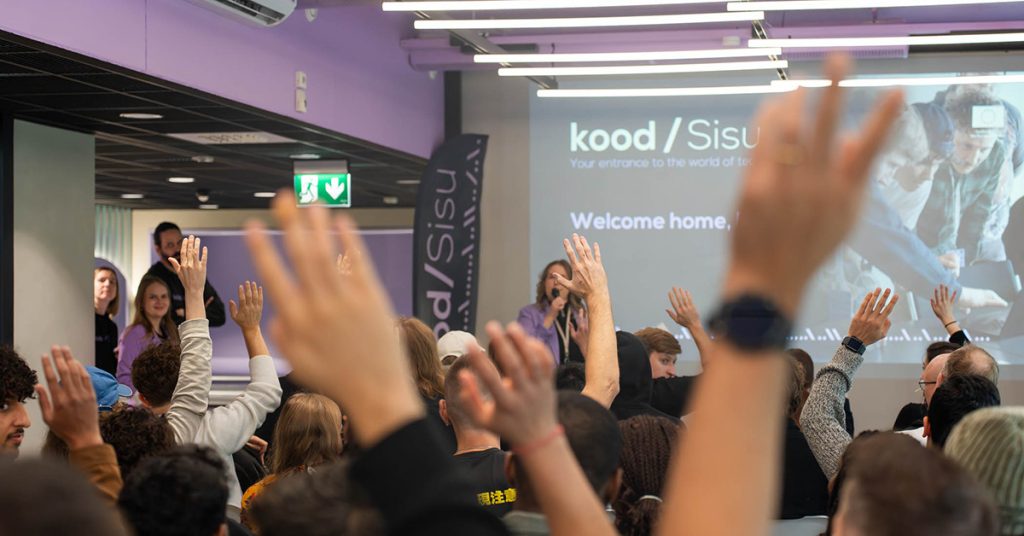
Kood/Sisu trains software professionals directly for the needs of working life. The two-year training program combines hands-on practice, teamwork, and industry collaboration in a new way. Director Laura Nykänen emphasizes that this is not a traditional school, but a joint solution by companies to address the talent shortage.
Kood/Sisu was founded out of a shared concern among companies operating in Northern Savonia about the availability of skilled labor. Founders such as Normet, Ponsse, Istekki, and OP Pohjola were united by the view that the traditional education system alone is not sufficient to meet the needs of a rapidly evolving technology sector.
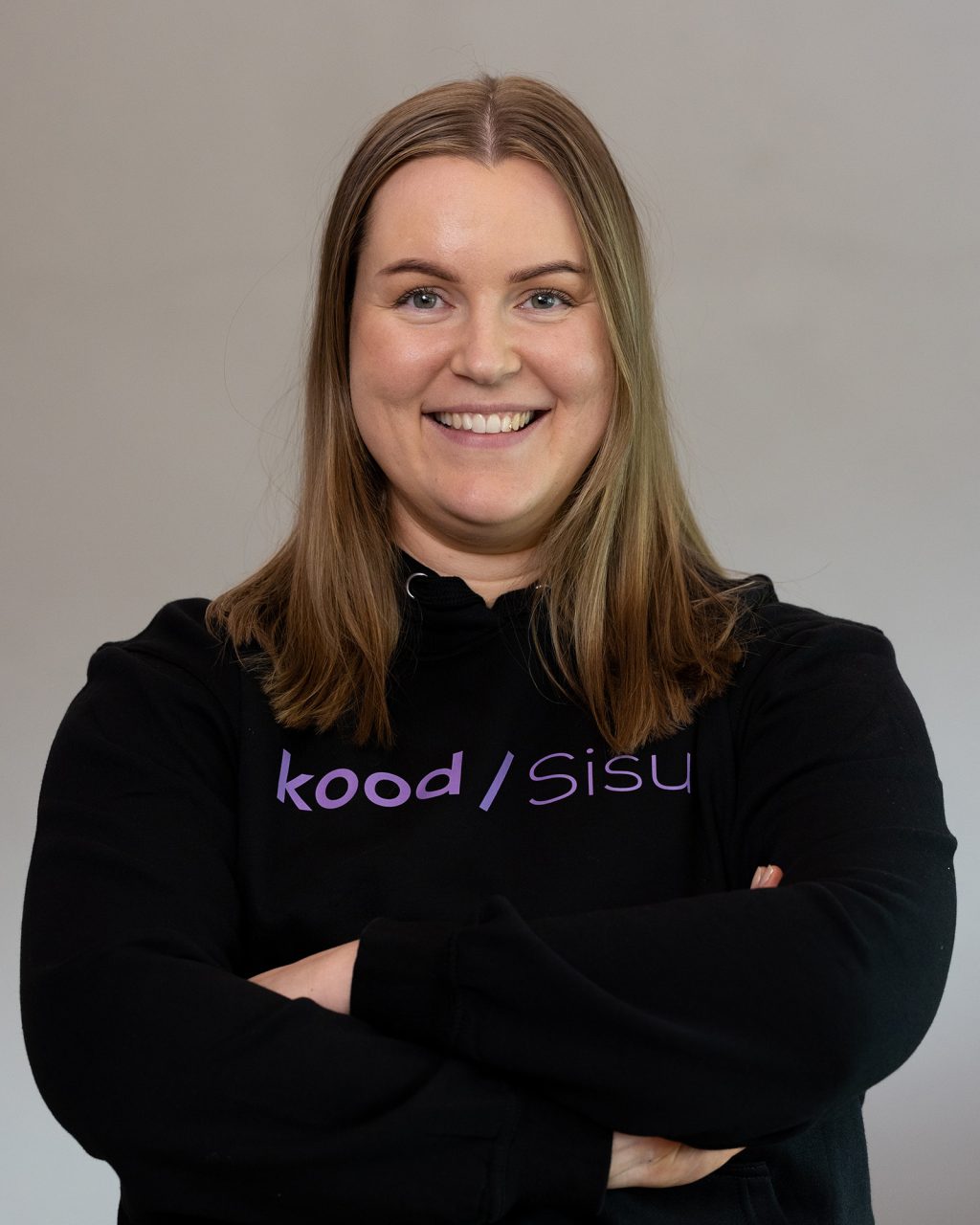
– This is not a degree program, and there are no traditional teachers involved. We are an education model founded by companies and driven by their needs, Nykänen explains.
The training is strongly based on practical work and peer learning. Students work on a digital platform. Over the course of two years, they solve dozens of hands-on projects that progress in a structured sequence.
A learning environment aligned with working life
The learning process resembles teamwork in software companies. Students form groups, define requirements, code solutions, and test them together. Completed projects are evaluated by other students, which develops both technical and interpersonal skills.
For many career changers, this is a completely new way of learning. The program does not involve continuous teacher guidance; instead, students take responsibility for their own learning.
– The student is responsible for their own learning, just as in working life. The model requires commitment, but at the same time provides a realistic picture of workplace demands, Nykänen says.
Diversity is a natural part of everyday studies
One of Kood/Sisu’s key strengths is its openness to diverse backgrounds. People without prior IT experience are welcome, and the student body has included former doctors, construction managers, cleaners, and entrepreneurs. Nykänen challenges the common perception of programming as a difficult and male-dominated field.
– A career changer can become just as good—or even better—a software developer than someone who has followed a traditional path, she emphasizes.
English serves as a shared tool that connects students from different backgrounds. At the same time, it reflects the reality of working life, where software development increasingly takes place in international teams.
– The fact that we have many international talents studying with us has emerged naturally through the English-language program, Nykänen says.
A close connection to companies and the labor market
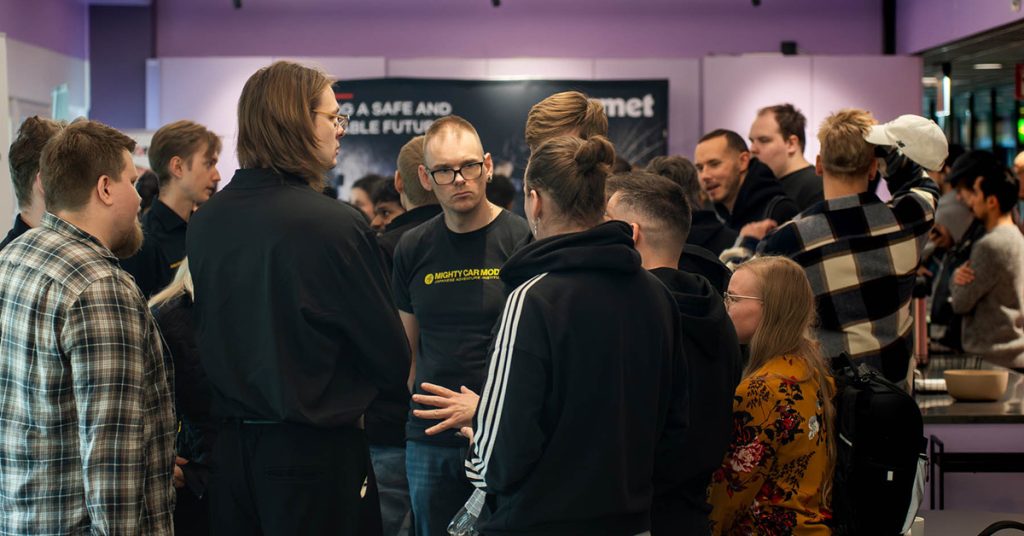
A strong connection to working life is an integral part of the study path. Partner companies participate in the program through workshops and internship opportunities, among other things. Students gain exposure to real workplace situations already during their studies, which improves their employment prospects. Graduates of the program have already been employed by large and demanding Finnish companies.
Nykänen emphasizes that although employment is not guaranteed, the goal is to equip students with the skills needed to operate in a changing work environment.
– Our goal is to provide the capabilities to continuously develop in a changing working life. The core outcome of the training is not only technical expertise, but also the ability to learn new things, solve problems, and work as part of a team, she emphasizes.
Mariia’s story illustrates the diversity of opportunities
The Kood/Sisu study path becomes concrete through student stories. One example is Mariia Sazhina, who transitioned from a career as a doctor and researcher toward the software field. She now supports new students as part of the Kood/Sisu team. Her journey began with a LinkedIn post.
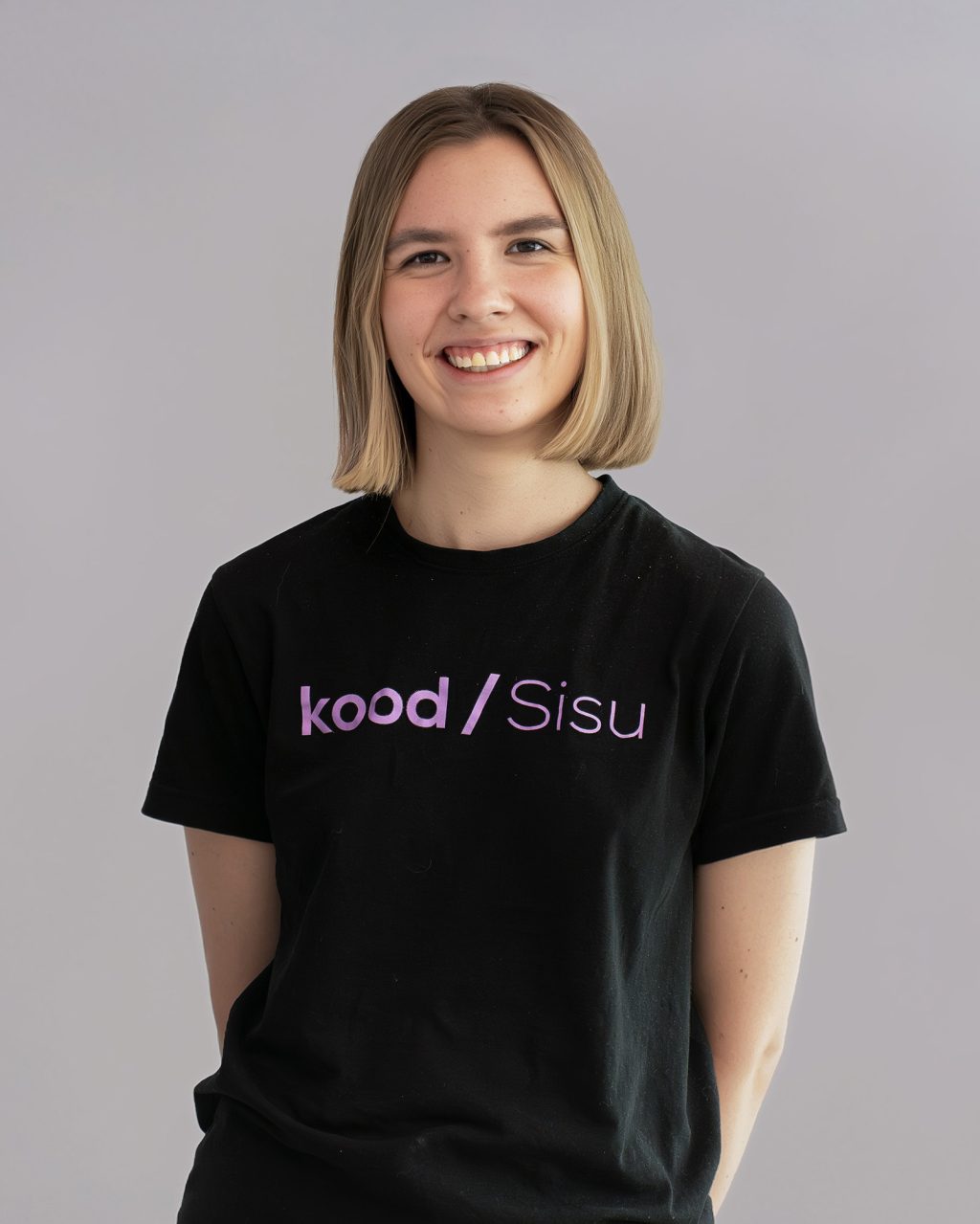
– I knew I wanted a change, but I didn’t yet have a clear direction. This felt like the right opportunity. I was already interested in IT and wanted to study it more purposefully, Sazhina says.
The application process and the selection period held in Kuopio were convincing.
– The Selection Sprint was a really good experience. On-site, I got a sense of whether the peer-learning-based model suited me, Sazhina explains.
Community and achievements as support for learning
At the beginning of the studies, the assignments felt somewhat demanding, but gradually the learning found its rhythm and progress became easier. One of the biggest positive surprises was the importance of the community.
– I was surprised by how encouraging and friendly the community is. Peer learning is visible in everyday life as continuous support. If you get stuck, you always know you can turn to others. At the same time, helping others strengthens your own competence, Sazhina says.
Sazhina emphasizes the importance of patience, consistency, and time management for progress. A significant turning point in her studies was the first extensive project.
– It gave me a lot of confidence and showed how much I had learned in a short time, she recalls.
From student to team member
During her studies, Mariia also moved into a new role within the program. She applied to become a technical instructor for the selection periods, even though she initially doubted her own skills. The transition from student to employee was smooth, and she now works as a Study & Tech Coordinator, supporting other students.
– The most rewarding part is helping students overcome challenges and seeing their progress. A career change should not be feared—it is an opportunity to grow and discover new strengths.
Text: Creative marketing agency Ida Fram
Photos: Kood/Sisu